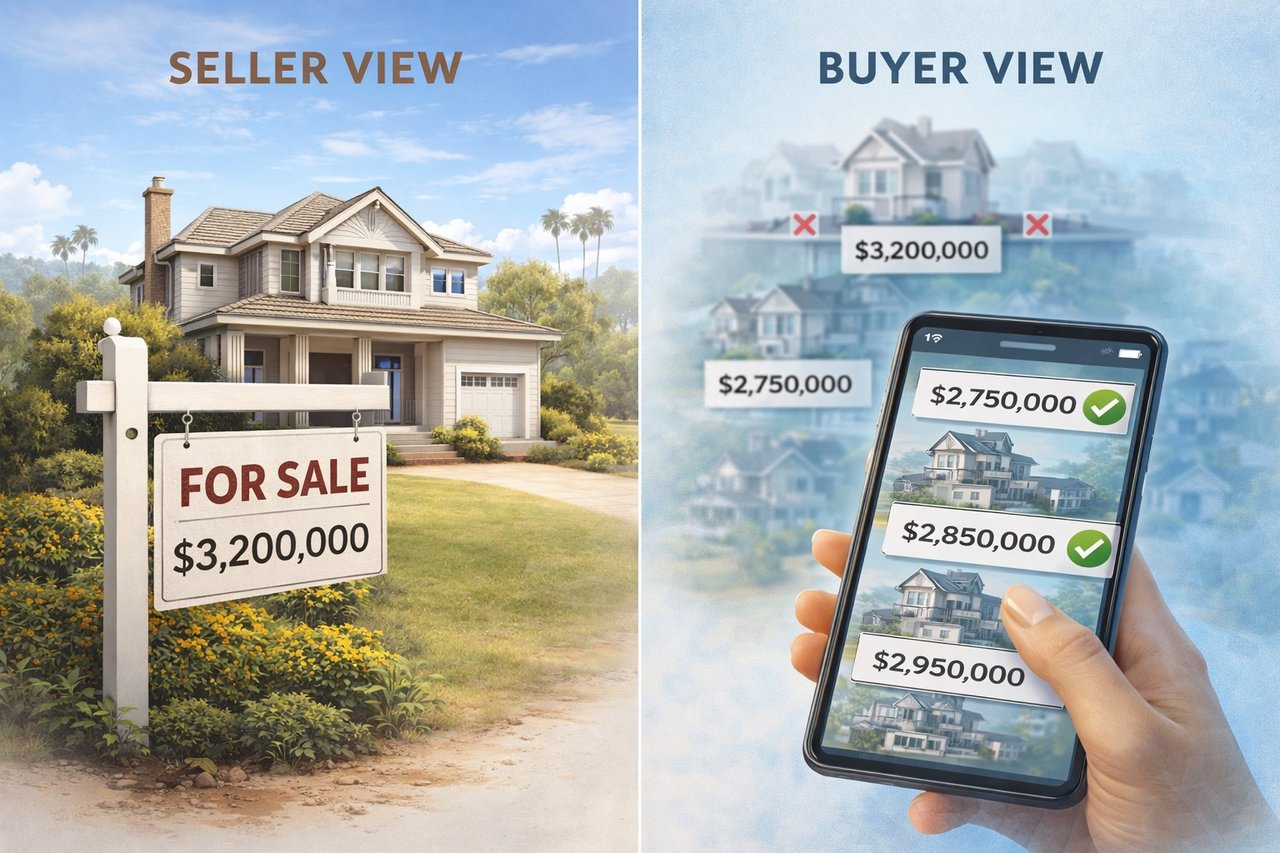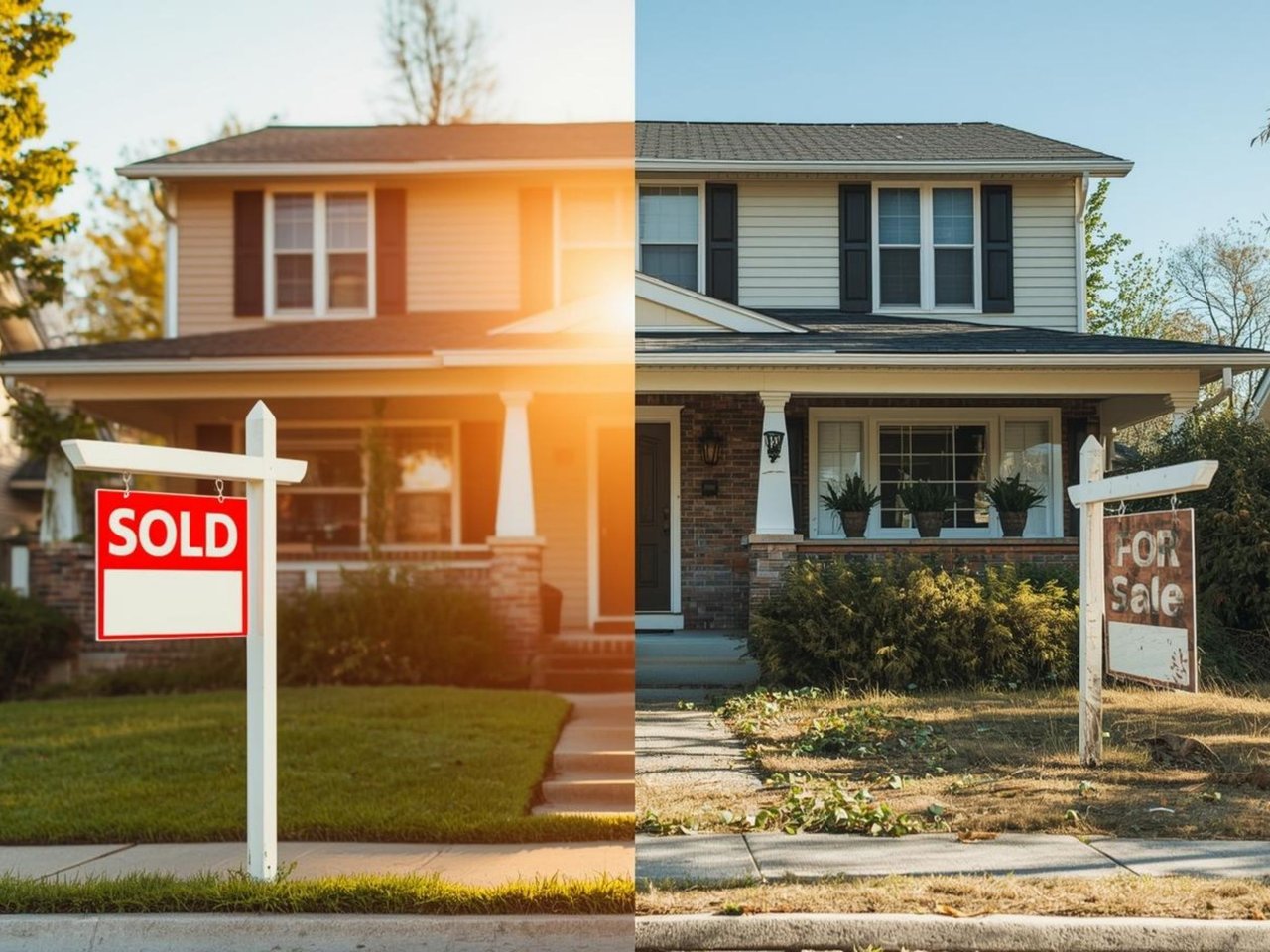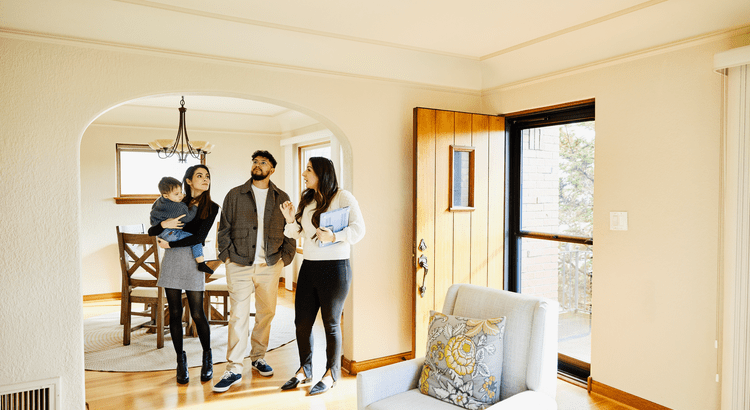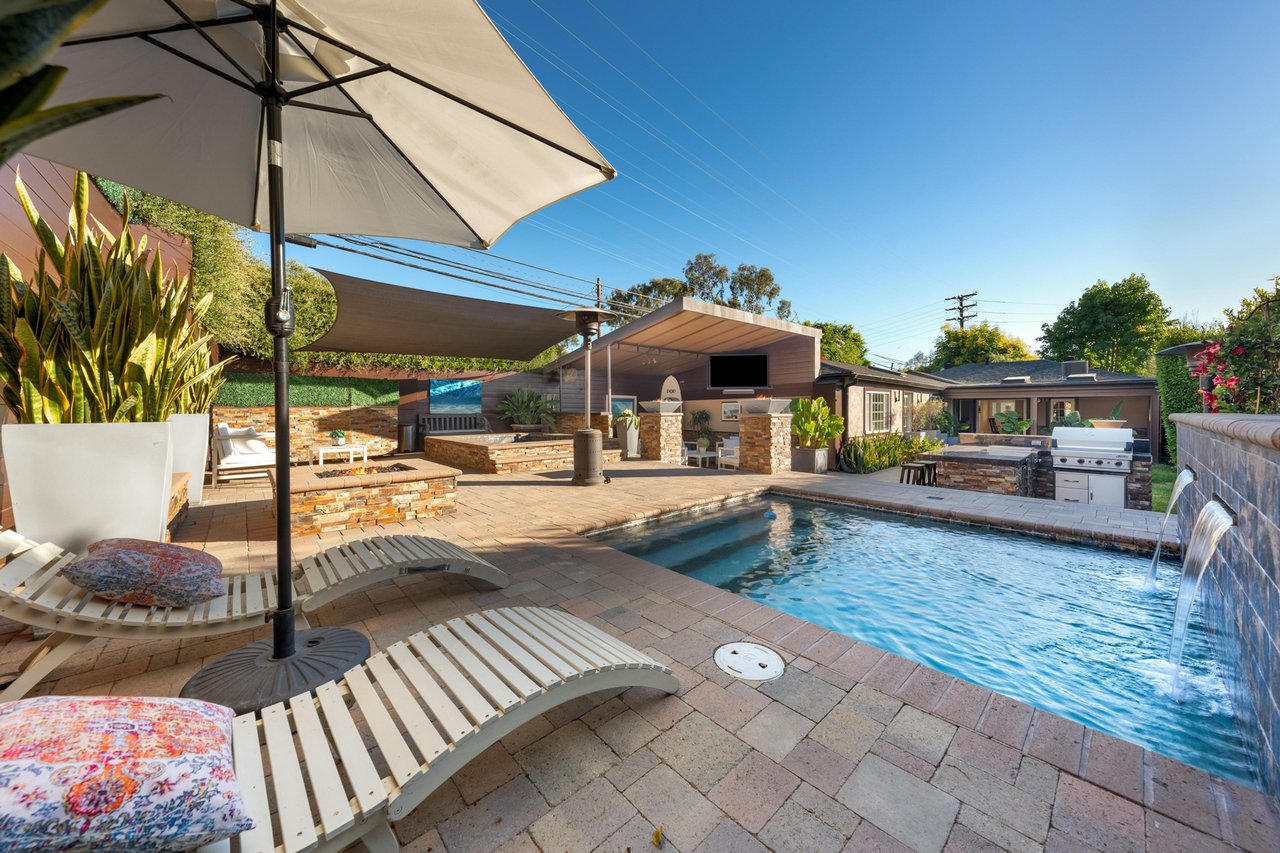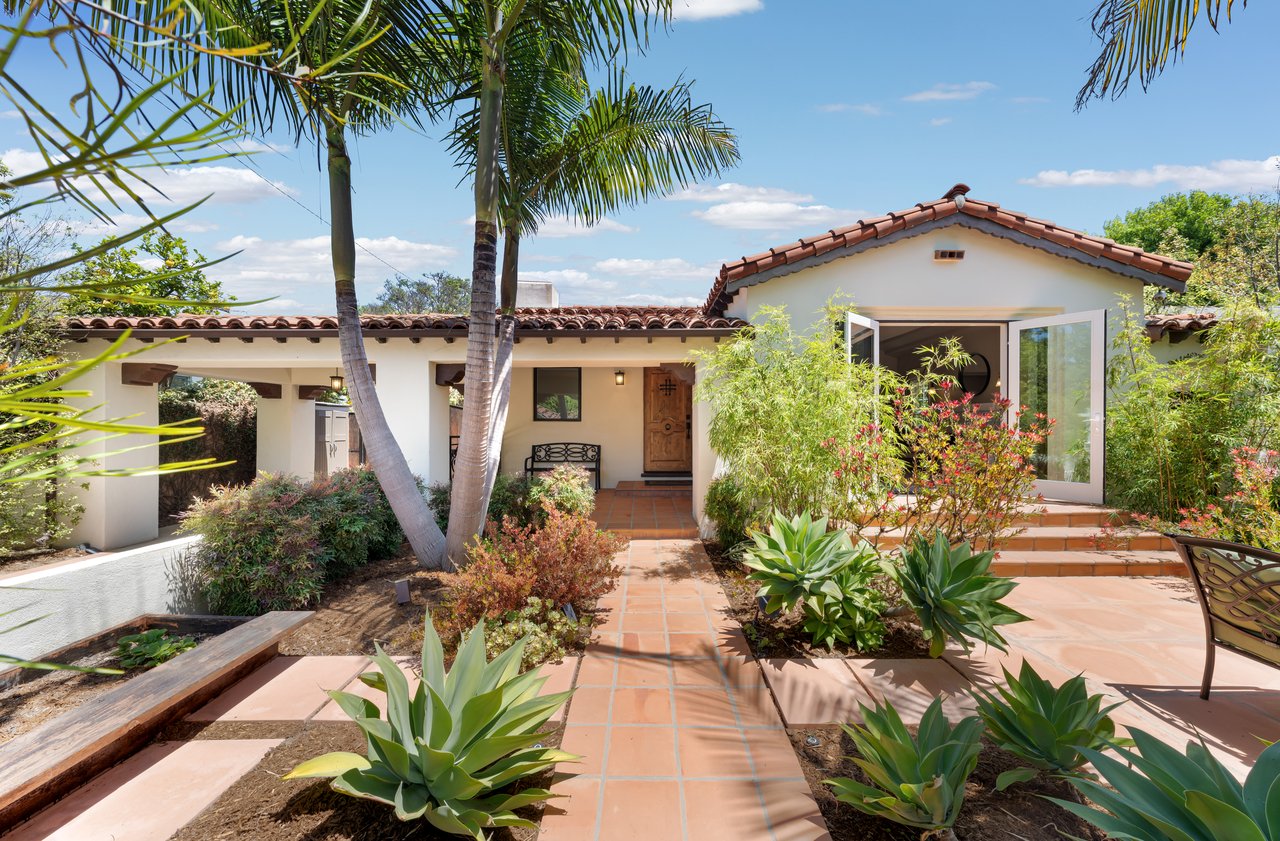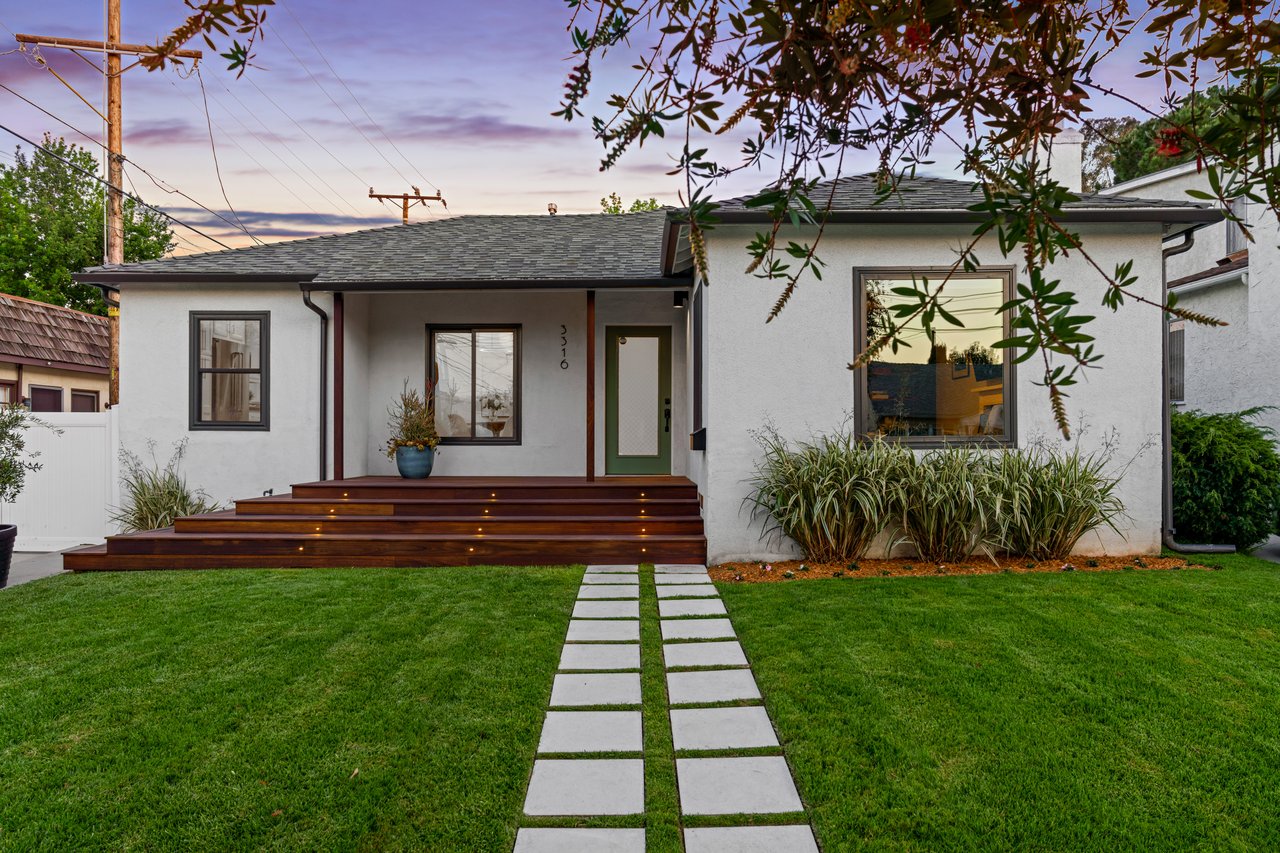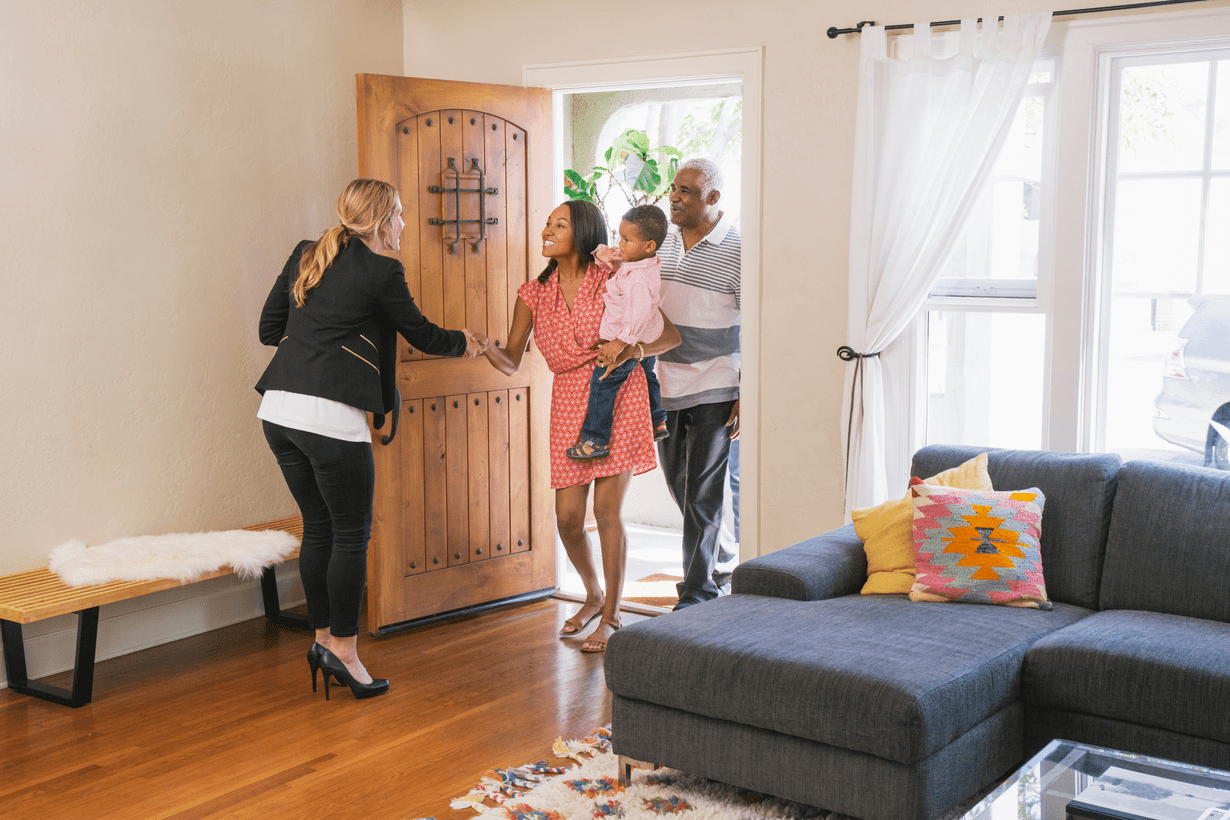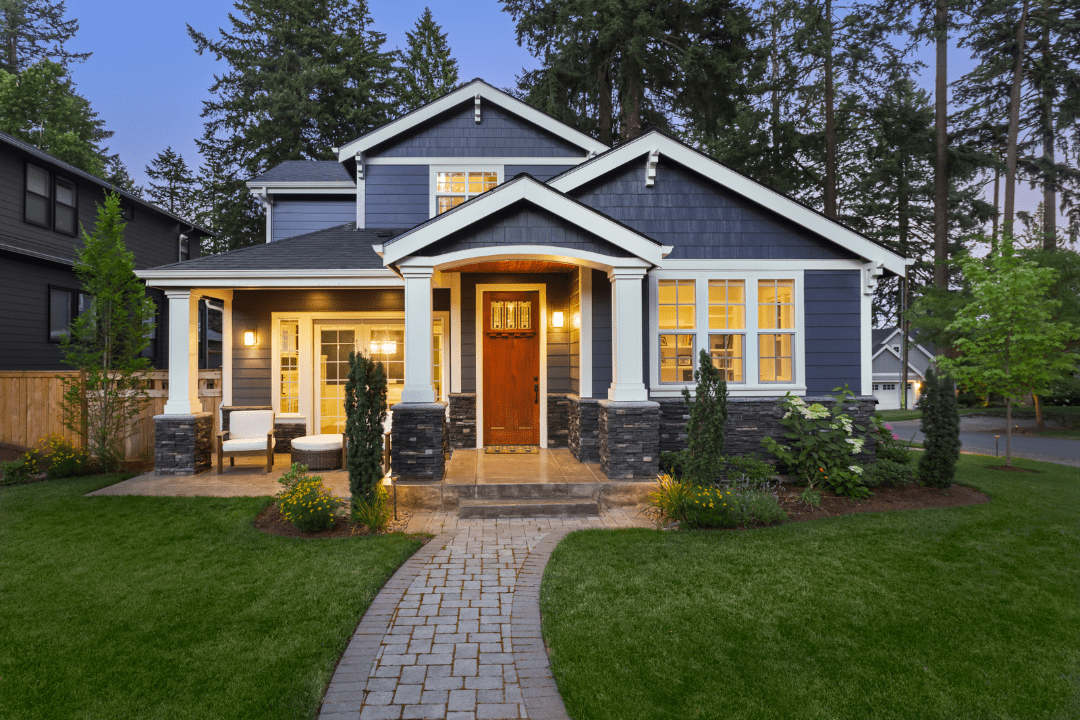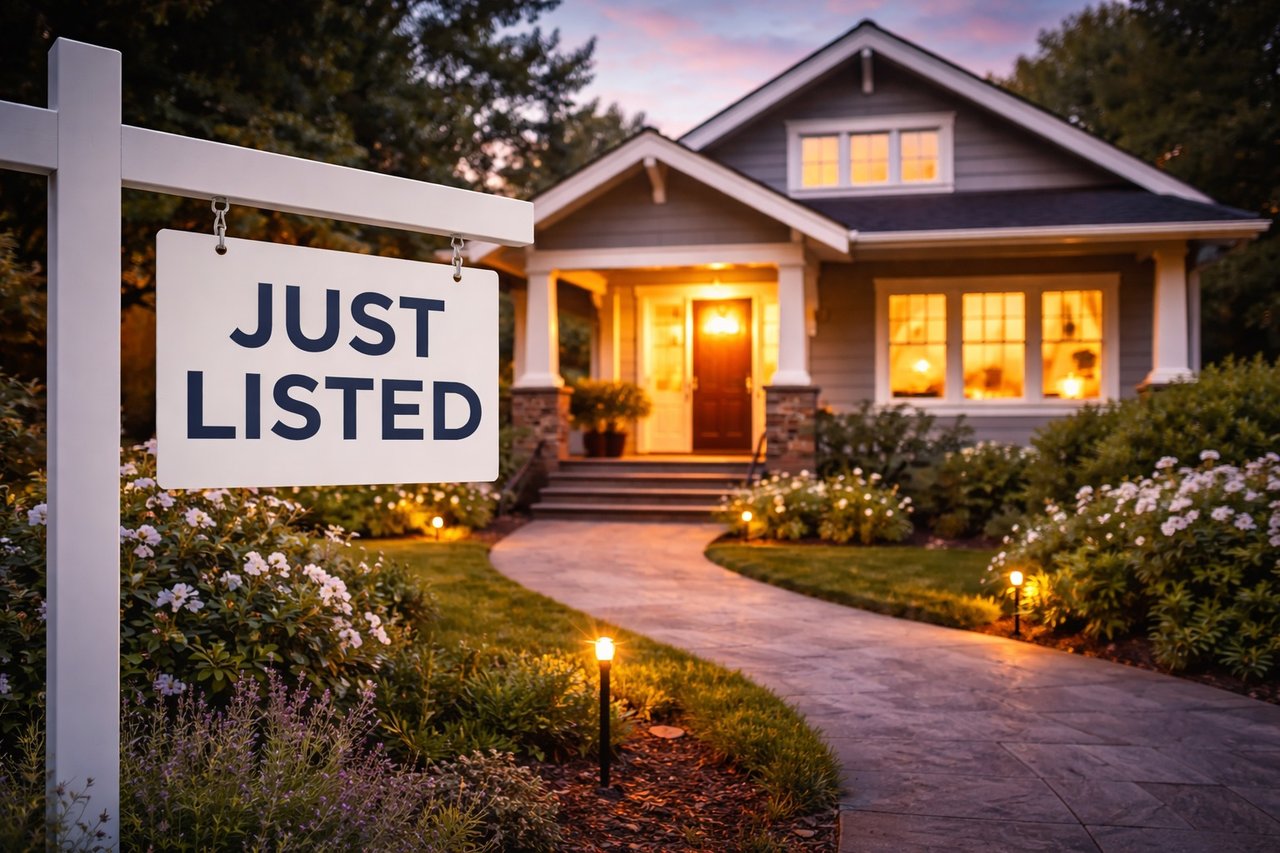
When a home first hits the market, it has something it will never have again. Attention. Not casual attention. Concentrated attention. Last month, we listed a property in Sunset Park at $1,999,000. At that price, we believed it was approximately 10 percent below market value. It was a true fixer. Many assumed it was a teardown. On paper, it looked like the kind of house that might sit or trade at a discount. Instead, within seven days, more than 200 people walked through the property. By day eleven, we had eight offers, and it closed this week for $2,550,000. All cash. Fully as-is. No inspections. No repair negotiations. That outcome was not accidental. It was the result of understanding what happens in the first 7 to 14 days.
The Launch Window
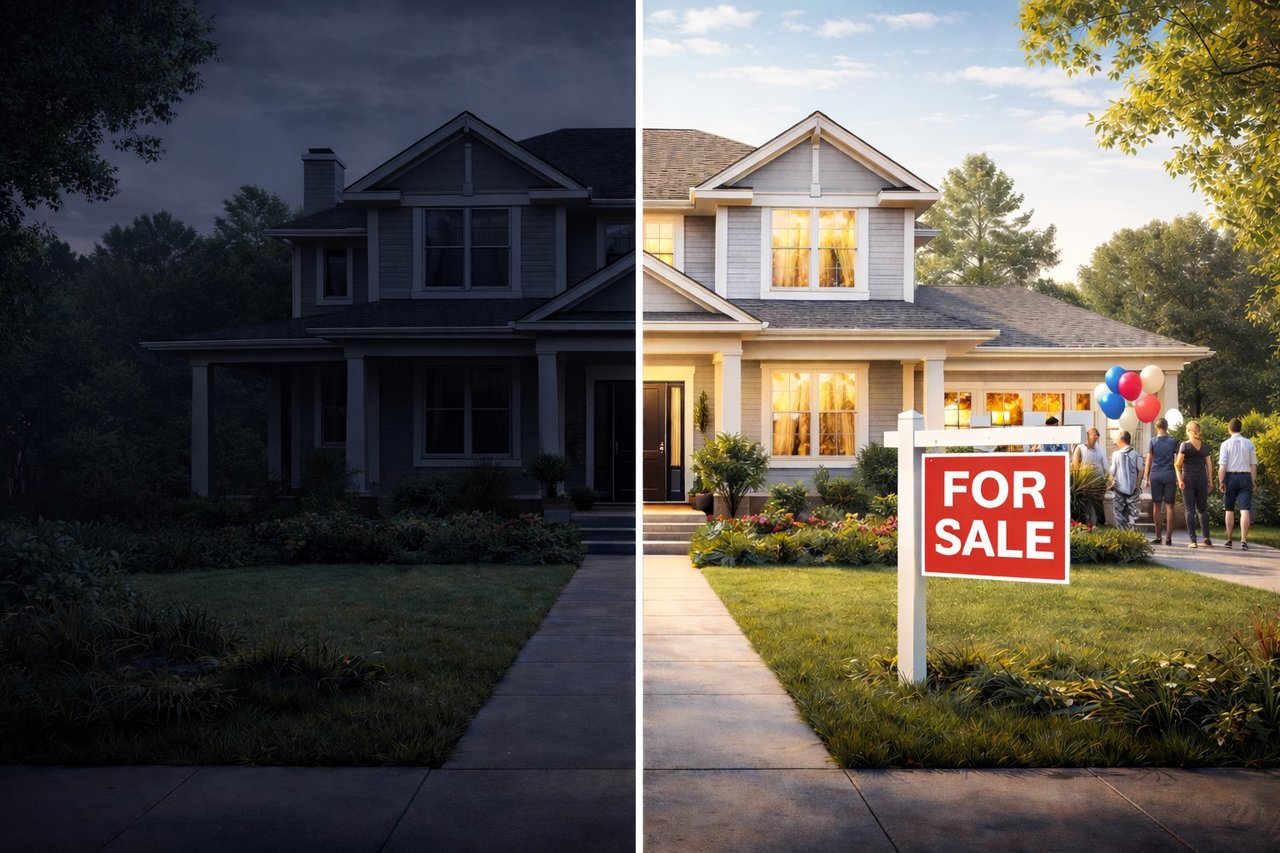
When a property is new, every active buyer in that price range sees it at roughly the same time. There is no narrative yet. No “why hasn’t this sold?” No accumulated skepticism. Only curiosity. Urgency. Possibility. That window creates energy. Once a home sits unsold, even if the price is adjusted later, the psychology shifts. Buyers begin asking a different question: What is wrong with it? Why did everyone else pass? You can reduce the price. You cannot recreate being new.
Activation vs Exposure
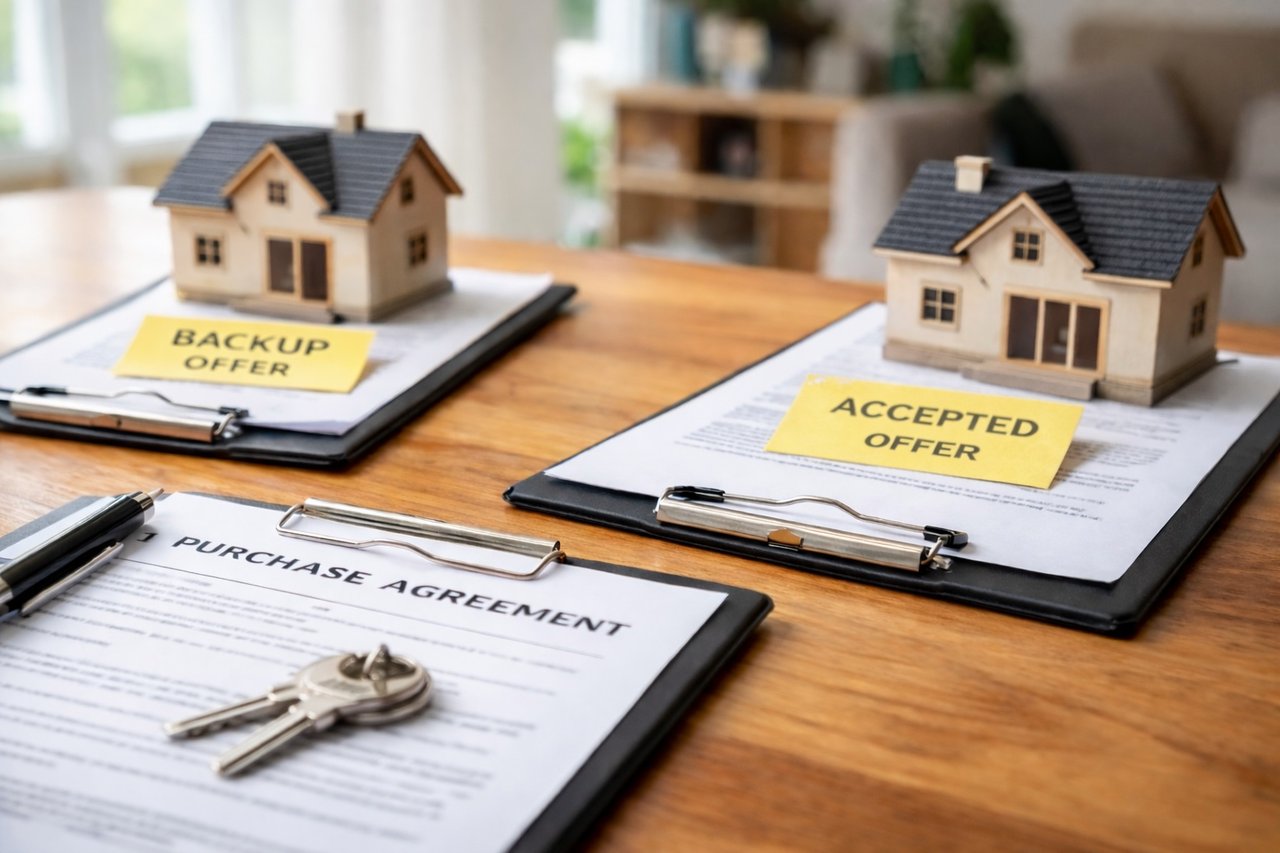
Our seller made a clear decision. They chose to price for competition. That was not hopeful. It was strategic. The goal was not to “get lucky.” The goal was to activate every serious buyer at once. And that is exactly what happened. Within days, we received a very strong offer from the buyer who ultimately purchased the property. It was compelling. Many sellers would have accepted it immediately. We slowed down. We allowed the full launch window to do its work. Once all interested buyers had seen the property, competition formed. Buyers began negotiating against each other, and the final accepted offer significantly exceeded that early proposal, both in price and terms. The final price, and the fully as-is structure, were direct results of that competitive environment.
The Power of the First 7 to 14 Days
In real estate, time changes leverage. Early interest is emotional. Buyers feel urgency. They react to scarcity. Later interest becomes analytical. Buyers start looking for flaws. They negotiate harder. This dynamic exists in every market cycle. In faster markets, the window is usually 7 to 14 days. In higher price points, it may take longer for potential buyers to cycle through. But the principle remains the same: you can only be new once. And once that window passes, you are operating under different psychological conditions.
The Bottom Line
Sellers cannot control the market. But they can decide how they enter it. They can price in a way that maximizes that first window of attention. Or they can price in a way that tests it. The difference is not subtle. If we had listed at $2,500,000 and planned to negotiate, the likely outcome would have been fewer showings, fewer offers, more time, and almost certainly a lower sale price with inspection negotiations. The highest price is often discovered when buyers are engaged at the same time. That only happens when you respect the launch. And when that happens, the outcome often speaks for itself.
Your Trusted Advisors, Peter and Tregg
Copyright © 2025–2026 Tregg Rustad and Peter Maurice. All rights reserved. Unauthorized use, reproduction, or distribution of this content is prohibited.