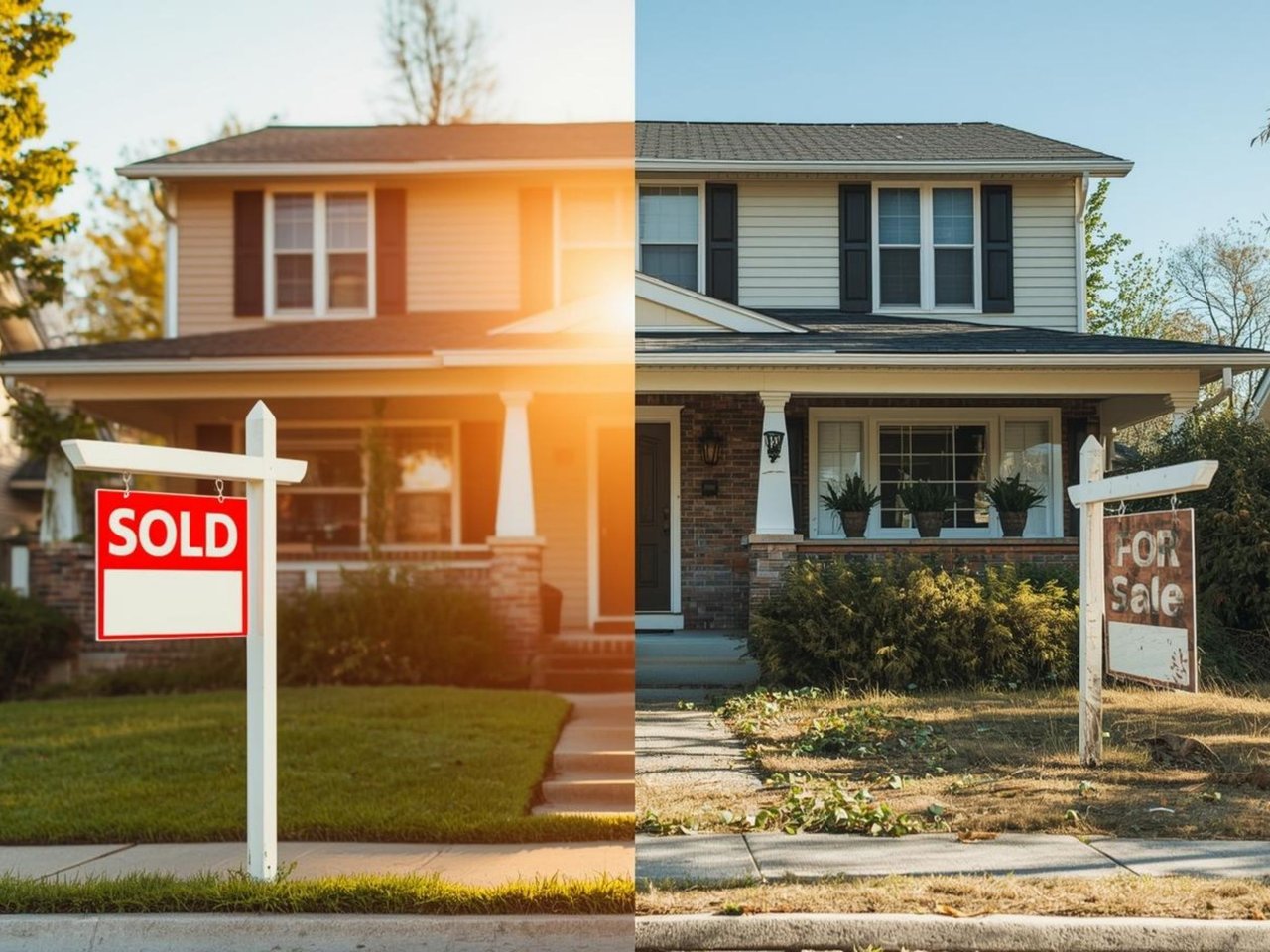
Recently we met with a seller whose home had been on the market for months with another agent. They had done everything they were told to do. They prepped the home. They rearranged schedules, kept the house spotless, and did their part with a level of effort most people never see. And then, after 4+ months, their agent finally sat them down and admitted, almost apologetically, that the home had been priced too high from the beginning, and they should have launched lower. The sellers were stunned. Not because the pricing conversation was difficult, but because it came far too late. They were left wondering why no one had told them sooner, and why so much time, energy, and hope had been spent without the right pricing strategy.
It is a scenario we have seen many times, and it always leads to the same question: why did it take so long for the truth to be shared? The answer is not incompetence or unwillingness. It is something universal. Every side in real estate feels two very human forces. The first is fear of loss. The second is hope that things will simply work out. These forces shape far more decisions and conversations than most people realize.
The Real Psychology Behind Why Truth Gets Delayed
If you have ever felt an agent hesitate to tell you the full truth about pricing or market realities, you are not imagining it. Fear of loss and hope influence everyone involved, not just agents. Buyers feel them. Sellers feel them. No one is immune, because real estate is ultimately a trust business. People only absorb the truth once they feel emotionally safe.
Fear of loss shows up everywhere. For agents, early conversations can feel fragile. Before trust is established, delivering a difficult truth might feel risky. Not because they fear losing your business, but because they fear losing connection. Sellers experience their own version. A common example is holding back what they truly believe their home is worth, just in case the agent names a higher price first. It is a protective instinct, even if it can lead to confusion later. Buyers do something similar. Many hesitate to fully share concerns or limitations, worried that being completely transparent might weaken their position or cost them the home they want. Fear of loss shapes how truth is shared on all sides.
Hope plays a different role. Sellers hope their price will work. Buyers hope the home will be perfect. Agents hope the process will unfold smoothly without difficult conversations. Hope can be comforting, but hope is not a strategy. When it becomes the foundation for decisions, clarity fades and expectations drift out of alignment. None of this means anyone is acting irrationally. Sellers are not overly emotional. Buyers are not indecisive. Agents are not evasive. Everyone is human, and with real estate, hopes and dreams are on the line. People protect themselves and others the best way they know how, which sometimes means softening or delaying the truth.
Where Great Agents Stand Apart
The difference between good agents and great agents is how they navigate this emotional landscape. Great agents aren't afraid to tell the truth. They deliver it with clarity, and without judgment. They make the truth feel safe rather than sharp. They understand that honesty builds trust rather than threatening it. When truth enters the conversation early, sellers can share what they actually need. Buyers can express what they genuinely fear. And agents can guide instead of guess. This matters because honest conversations lead to better decisions. When everyone is shares clear communication, no one is operating from assumptions or unspoken concerns.
Fear of loss can keep all parties from saying the hard thing. But once trust is built, the truth becomes an advantage instead of a risk. It becomes the foundation of clarity, confidence, and the best outcomes. And this is why the best agents never feel like salespeople. They feel like advisors, partners, guides, and trusted humans. Because that is what they are meant to be.
The Bottom Line
If you want a buying or selling experience grounded in honesty, emotional safety, and real strategy, we are here to guide that process. Hope has its place, but clarity carries the outcome. Trust is what makes the real conversations possible.
Your trusted advisors,
Peter and Tregg