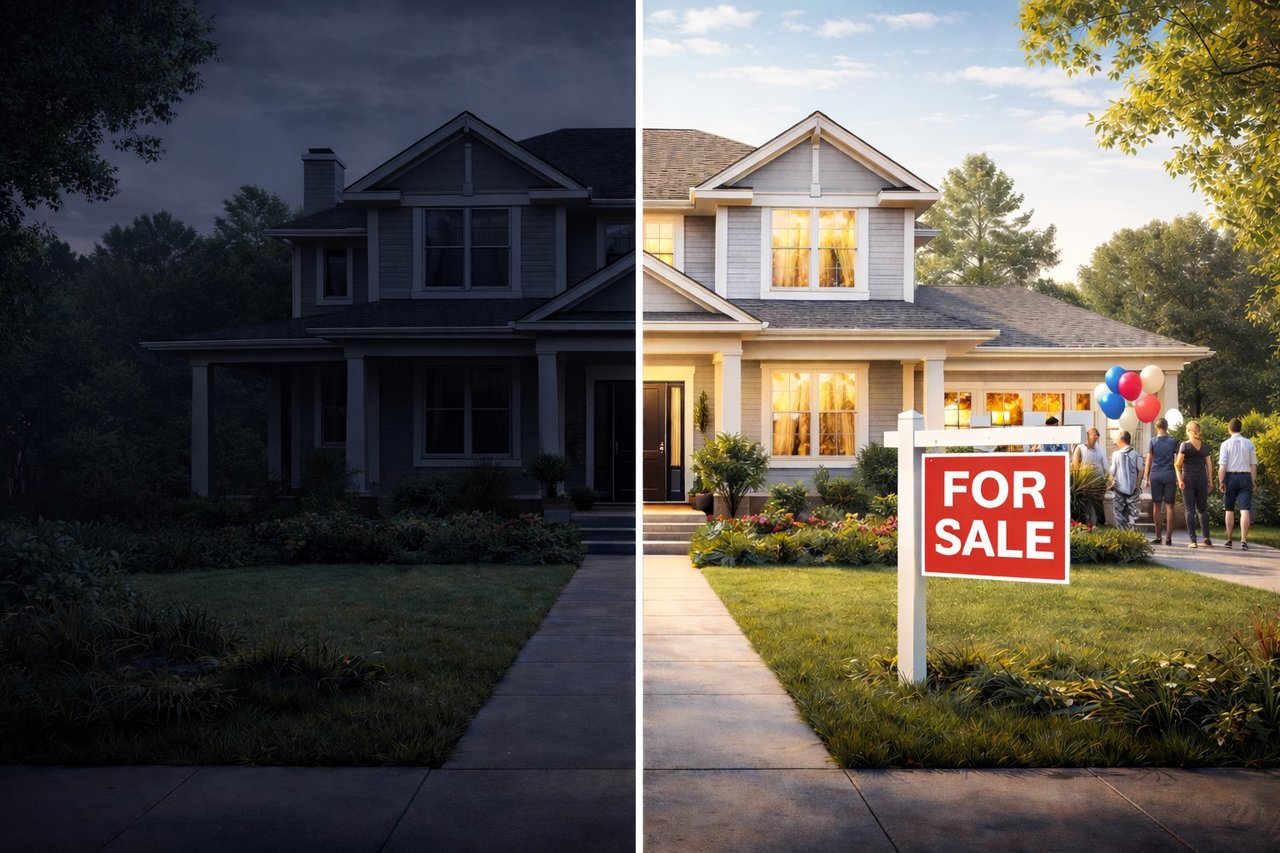
The most objective and reliable measure of price is not opinion, hope, or even past sales. It is current buyer behavior. That’s why we see our role differently than many agents. Our job is not to convince or persuade a seller to pick a number. It’s to help you decide how you want to engage the market. Because before we ever talk about a list price, there is a more important decision to make. Strategy.
Why We Start With Strategy
Here’s the truth: No one can honestly predict what a home will sell for. Sellers don’t know. Zillow doesn’t know. Past sales are already stale the moment they close. And agents don’t know either. Until buyers react, every number is just a hypothesis. What we can do is help you choose a pricing strategy based on how you want to engage buyers, with a clear understanding of the tradeoffs each approach creates. From there, we watch how buyers respond and use real information to guide decisions along the way. That’s not guessing. That’s learning.
The Three Ways Sellers Typically Approach Price
Most sellers naturally gravitate toward one of three pricing strategies. None are right or wrong. Each simply creates a different reaction from buyers.
-
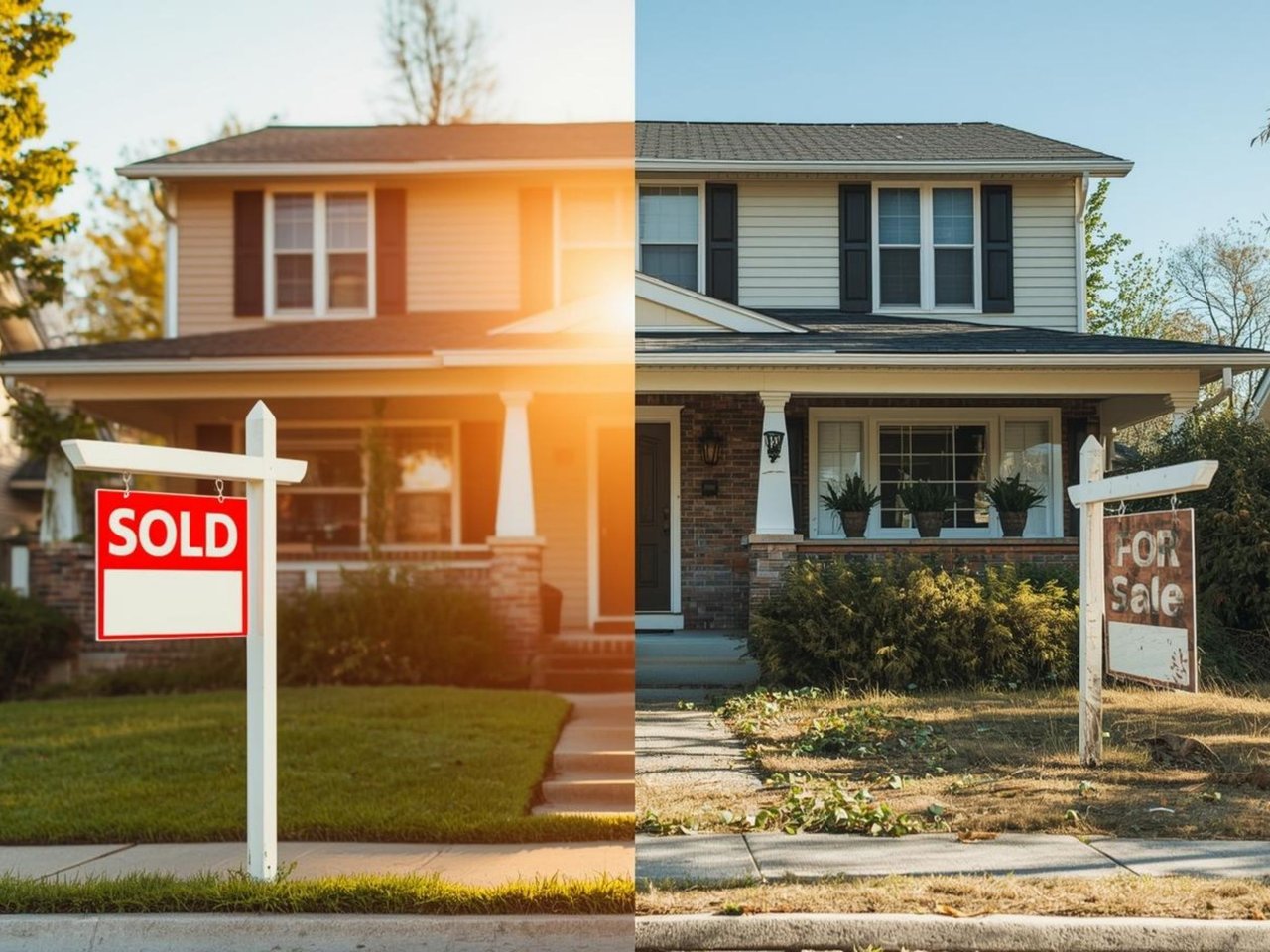
The first approach is Pricing High and Hoping the market stretches. This means listing above where buyers are currently engaging to see if someone adjusts upward. Often, this is the number sellers naturally hope for, which is completely understandable. It’s where many sellers imagine their next chapter getting funded. This approach usually feels like the safest place to start. The thinking often sounds like, “We can always come down,” or, “It only takes one buyer.” This strategy can work under very specific conditions. More often, it leads to fewer showings and slower feedback. The market takes longer to tell you what it thinks, which can make the process feel uncertain and drawn out.
-
The second approach is Pricing for Engagement. This means pricing where buyers are actively looking and are likely to act. Sellers who choose this strategy typically value information more than validation. They would rather see how the market responds than guess. This approach tends to generate showings, thoughtful questions, and early feedback. It does not guarantee a particular outcome, but it often provides clarity quickly, which many sellers find grounding.
-
The third approach is Pricing for Competition. This usually means pricing at the lower end of the range to create overlap between buyers and generate urgency. With this strategy, the market applies the pressure, not the seller. When it works, buyers move faster and focus less on negotiating and more on winning. This approach can often lead to the best results, but it also tends to feel like the riskiest option at the start. The early days can feel intense. The upside is that the market does the heavy lifting.
Where Numbers Fit In
Before we pick a price, we have to pick a strategy. Once the strategy is clear, numbers become useful. But they are still not predictions. Any number that has not been tested against buyer behavior is a hypothesis, not a final answer. That’s why we talk in ranges, not promises. Those ranges give us something to observe. Buyer behavior then tells us whether the strategy is working or needs to be adjusted. That’s the difference between guessing and being strategic.
The Bottom Line
We know this is not what most sellers want to hear: Even great agents cannot offer certainty. Anyone who claims otherwise is oversimplifying a complex process. What a great agent can offer is clarity.
Clarity about the options in front of you.
Clarity about the tradeoffs each option creates.
Clarity about what to watch once your home is on the market.
Clarity about the tradeoffs each option creates.
Clarity about what to watch once your home is on the market.
That clarity makes it easier to make decisions, even when outcomes are not guaranteed. Our goal is to help you choose a pricing strategy intentionally, pay attention to how buyers respond, and adjust based on real information rather than emotion. That’s how thoughtful pricing works. And that’s what pricing really is. A strategy.
Your Trusted Advisors,
Peter and Tregg