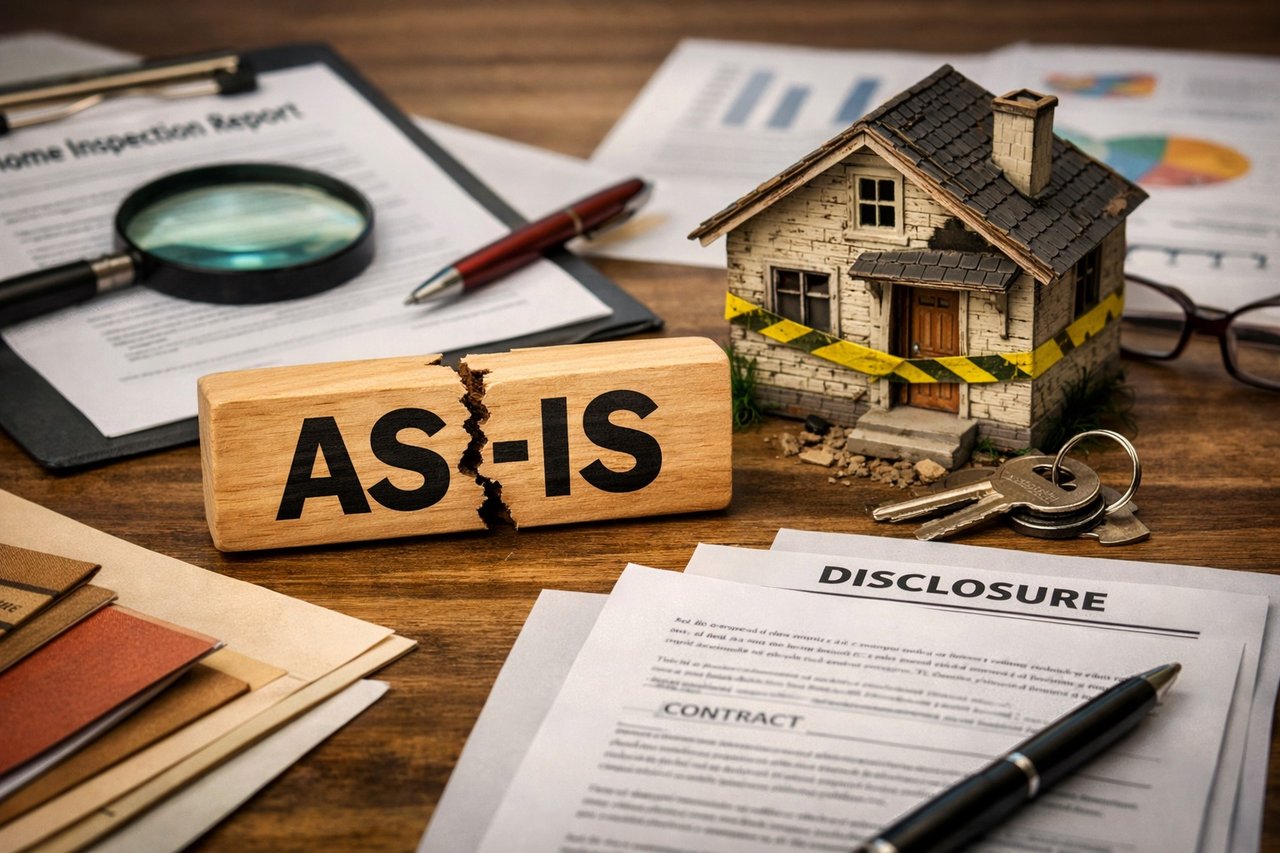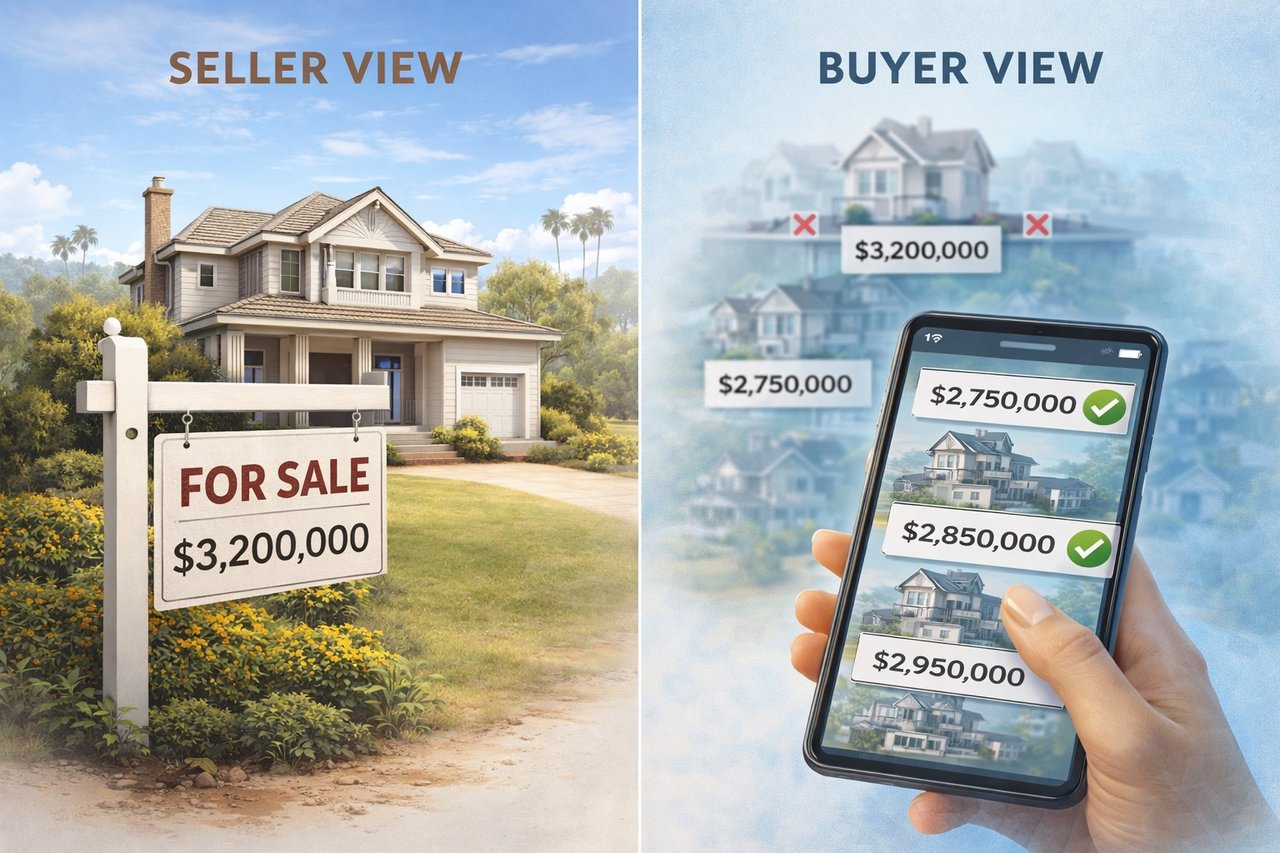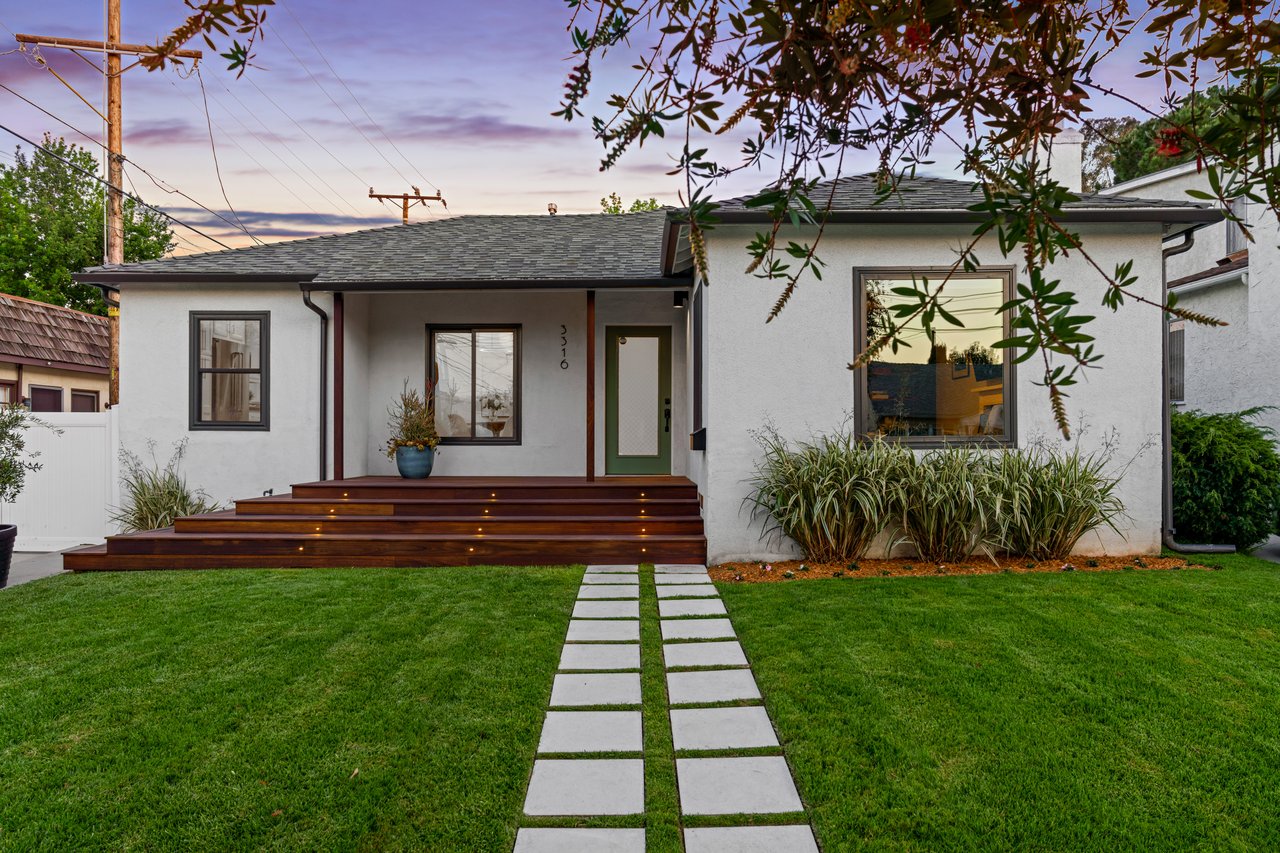
We had a call this week with a potential seller. They owned a home down the street from a recent sale. After a brief conversation about their property, they jumped right to the question we hear all the time: What do you think my home will sell for? We shared a probable range. That wasn’t what they were looking for. They wanted a firm number. Certainty. Finality. But here’s the truth: there is no final answer. No agent and no website can accurately predict a sale price. That moment captures the tension most sellers feel around pricing: the desire for certainty in a process that simply doesn’t offer it.
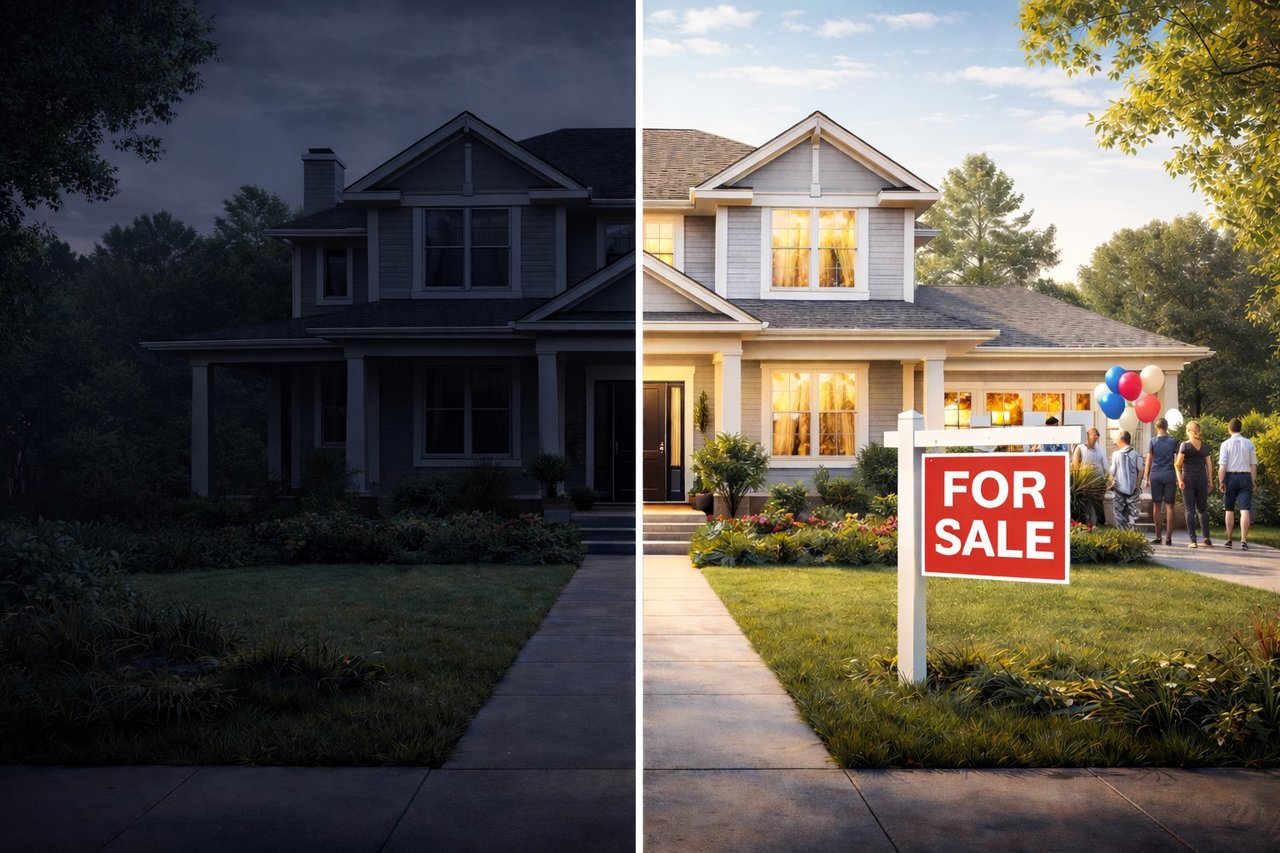
Two Ways to Think About Pricing: Most sellers (and many agents) approach pricing as if it’s a verdict. Choose the right one and you’ve succeeded. Choose the wrong number and you’ve failed. The price becomes a judgment of value, decisions, and outcome. But pricing isn’t a verdict. Pricing is a strategy. More specifically, pricing is a decision about what kind of response you want from buyers. A price that feels unrealistic or unbelievable to buyers generates very little engagement. A price that feels credible and compelling invites attention and activity. That distinction explains why some homes move quickly while others quietly stall.
Engagement Is the Market’s Language: The market doesn’t give opinions. It gives behavior. When pricing is aligned, buyers engage. They view, save, share, schedule showings, return, and begin to compete. Emotion builds. Momentum forms. When pricing is misaligned, buyers disengage quietly. Feedback becomes vague. Showings slow. Sellers are left waiting, often mistaking silence for patience, when it’s actually disinterest. Price determines how far buyers are willing to go emotionally. That’s the signal that matters most.
Why Starting High Feels Safer: Many sellers naturally gravitate toward starting at a higher price. On the surface, it sounds strategic. Underneath, it’s usually protective. Starting high feels safer because it feels reversible. You can always come down later. It delays disappointment. It preserves optionality. It keeps hope alive a little longer. That instinct isn’t irrational. It deserves to be understood rather than dismissed. The challenge is that it’s built on a belief that buyers will engage first and negotiate later. Most won’t.
How Buyers Actually Respond to Price: Many sellers assume buyers will react to a high price by making an offer for what they think the home is worth, and that the deal can be worked out from there. In reality, buyers don’t work that way. Buyers don’t argue with price. They opt out.
They don’t click.
They don’t schedule a showing.
They don’t return for a second look.
They don’t write offers just to negotiate.
They don’t schedule a showing.
They don’t return for a second look.
They don’t write offers just to negotiate.
They quietly move on. That’s why overpriced homes don’t usually get negotiated down. They get ignored.
Where the Highest Prices Actually Come From: This is the shift most sellers never hear early enough. The highest prices don’t come from negotiating one buyer up. They come from multiple buyers engaging at the same time. Competition creates urgency. Engagement creates leverage. Negotiation only becomes meaningful once buyers are emotionally involved. Top-down pricing relies on hope and the right buyer stretching up. Engagement-driven pricing relies on probability and participation. Neither approach is morally right or wrong. They simply carry different risks. The key is choosing intentionally, not defensively.
The Part No One Can Control: Neither a seller nor an agent can predict the future. No one knows the final sale price on day one. If an agent tells you exactly what your home will sell for, at best they’re guessing, and at worst they’re telling you what they think you want to hear. Not because they’re dishonest, but because certainty isn’t available in this process. Since certainty isn’t available, strategy becomes the work. A healthy pricing conversation acknowledges uncertainty instead of pretending it doesn’t exist. It focuses on creating engagement and interpreting what the market is actually telling you.
A More Useful Question to Ask: Instead of asking, What’s the right price? a better question is: What kind of response do I want from serious, active buyers? Do you want strong early engagement? Do you want multiple showings and return visits? Do you want the possibility of competition? When pricing is framed this way, it stops feeling personal and starts becoming strategic.
The Bottom Line: Pricing isn’t about being right. It’s about choosing the response you want from buyers and being willing to listen to what they tell you. When pricing conversations honor both the emotional reality and the market reality, decisions become calmer, clearer, and far less stressful. If you’re thinking about selling and want a pricing conversation that replaces false certainty with real clarity, that’s how we work. We help sellers think strategically, interpret buyer behavior, and make confident decisions. Because our goal isn’t to win a pricing argument. It’s to help you make a decision you won’t regret.
Your trusted advisors,
Peter and Tregg
Copyright © 2025–2026 Tregg Rustad and Peter Maurice. All rights reserved. Unauthorized use, reproduction, or distribution of this content is prohibited.